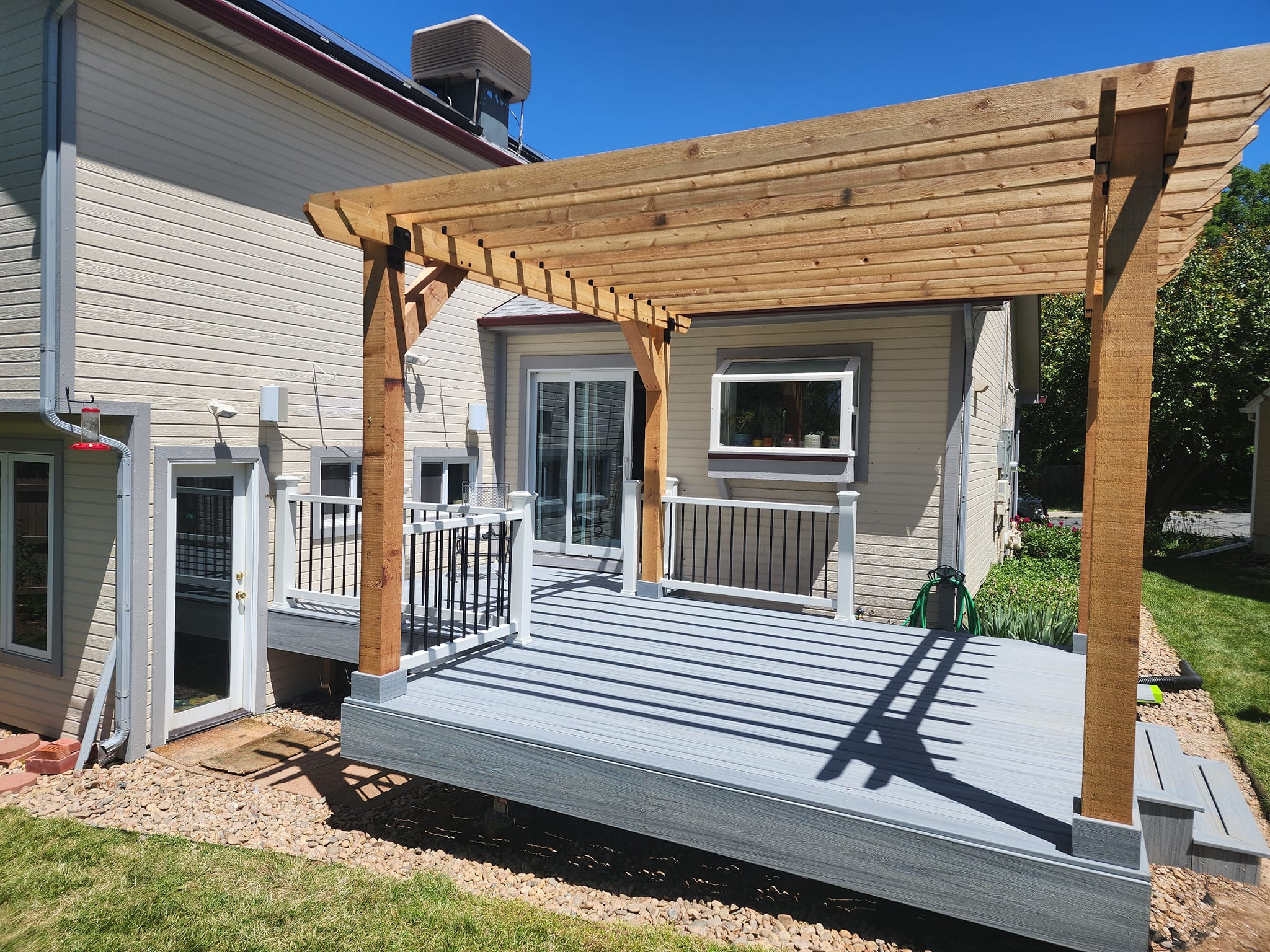
Essential Tips for Remodeling Historic Homes: Preserving Charm While Modernizing Jun 02, 2026
Understanding the Historic Value
The distinct charm of historic homes lies in their unique architectural features and craftsmanship. Before beginning any remodel, it is crucial to understand what elements contribute significantly to the home's historic value. These might include original woodwork, vintage light fixtures, or unique wallpapers and moldings that tell the story of a different era. Consulting with historical preservation societies can provide valuable insights into which features should be preserved as they work to maintain the home's historical authenticity.
Balancing Modern Comforts
While the goal is to maintain the historic aesthetic, modern needs such as improved insulation, updated plumbing, and energy-efficient appliances cannot be overlooked. It is vital to integrate these elements in a way that does not detract from the historic charm. For instance, choosing energy-efficient windows that mimic the look of the original ones can enhance comfort without sacrificing style. Similarly, when updating plumbing or electrical systems, renovators should ensure that visible changes blend seamlessly with the original design.
Material Choices
One of the biggest decisions in remodeling historic homes is selecting the right materials. Wherever possible, use materials that match or closely resemble the originals. Reclaimed wood and salvaged materials can often be utilized not only to maintain authenticity but also to contribute to the project’s sustainability. These materials tell the same story as the home itself, offering a consistency that pre-engineered alternatives may lack. Silva Remodeling understands that the marriage of old and new, done correctly, adds value and aesthetic appeal to the home.
Structural Considerations
Older homes often come with structural challenges that need careful assessment. Foundations and supporting beams may have degraded over the years, requiring reinforcement or replacement. Before starting any project, a comprehensive inspection can identify these issues, preventing expensive surprises down the line. It is always advisable to work with professionals who have experience with historic properties, as they can provide solutions that respect the original structure while ensuring modern safety standards are met.
Budgeting and Planning
Remodeling a historic home can be more costly than updating a newer property. Detailed planning and budgeting are essential to avoid unforeseen expenses. When creating a budget, account for potential hidden problems such as outdated wiring or plumbing that might not be apparent until work has begun. Silva Remodeling advises allocating a contingency fund to tackle such unexpected issues. A well-thought-out plan will also allow for prioritizing updates, focusing on essential repairs first, and saving aesthetic renovations for later stages.
Conclusion
Successfully remodeling a historic home involves careful planning, a respect for the original character, and skillful execution of updates. Silva Remodeling emphasizes that every decision should reflect a balance between preservation and modernization. By valuing the historic elements while thoughtfully incorporating modern amenities, homeowners can enjoy the best of both worlds. This approach ensures that the renovation not only preserves history but also increases the home’s functionality and value for future generations.
/filters:no_upscale()/filters:format(webp)/media/d2c845d3-44a1-4966-ac0a-a9285b03eaa3.jpeg)